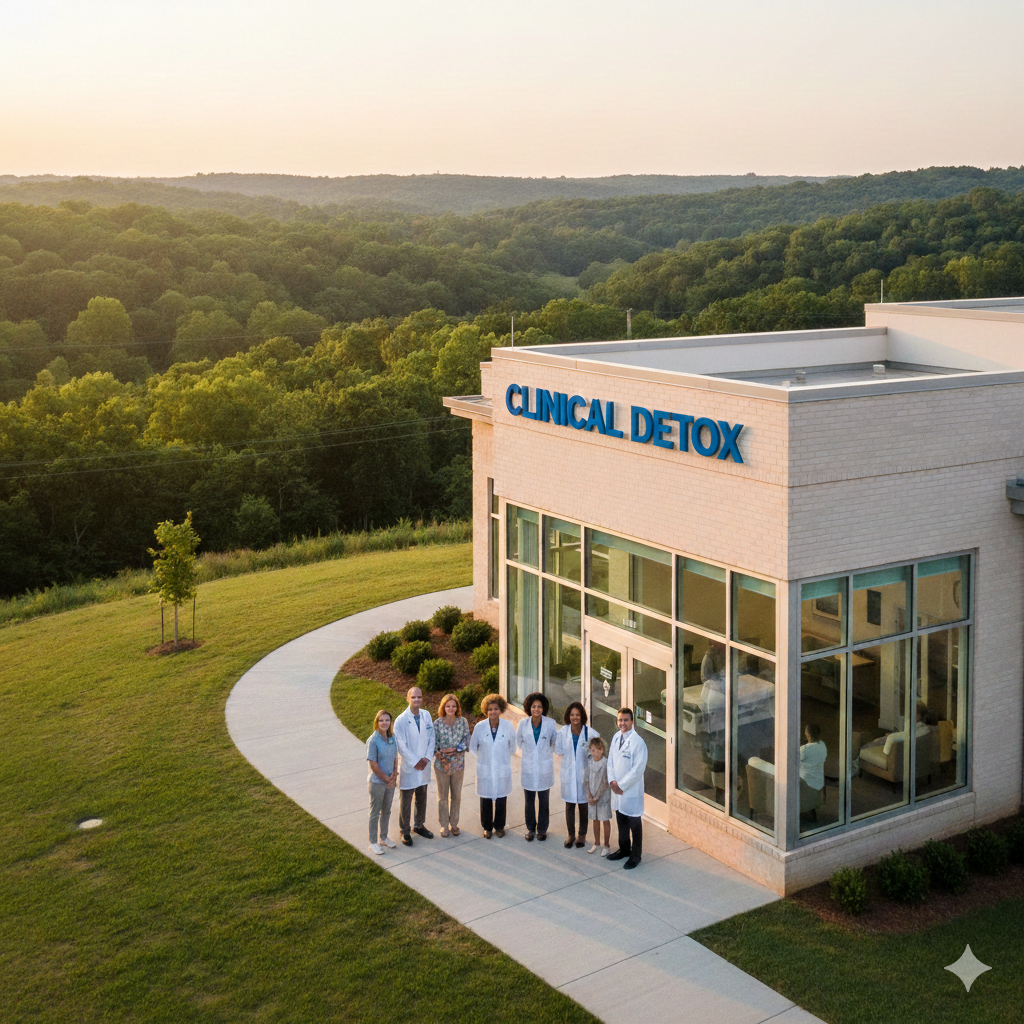
When someone is facing severe substance dependence, the first and most critical step toward healing is often medical detox. Choosing the right clinical detox Arkansas for severe addiction program can make the difference between relapse and long-term recovery. In Arkansas, individuals and families have access to professional detox services designed to manage withdrawal safely, reduce discomfort, and prepare patients for ongoing treatment. This article explains what clinical detox involves, who needs it, and how to find the right support for lasting recovery.
Understanding Severe Addiction and the Need for Clinical Detox
Severe addiction is more than a habit, it is a medical condition that affects brain chemistry, behavior, and physical health. Substances such as opioids, alcohol, benzodiazepines, and stimulants can create strong physical dependence. When a person stops using suddenly, withdrawal symptoms can become dangerous or even life-threatening.
That is why clinical detox Arkansas for severe addiction programs exist. Unlike at-home attempts, clinical detox provides medical supervision, medications when necessary, and emotional support throughout the withdrawal process.
Many people who benefit from detox also seek services like:
- medical detox Arkansas
- inpatient detox Arkansas
- drug detox center Arkansas
- alcohol detox Arkansas
- detox for opioid addiction Arkansas
These services ensure patients receive evidence-based care tailored to their substance use history and health needs.
What Happens During Clinical Detox?
Clinical detox is a structured process that typically occurs in a specialized treatment facility or hospital setting. The goal is to help the body eliminate harmful substances while managing withdrawal symptoms safely.
1. Medical Assessment
The process begins with a comprehensive evaluation. Doctors and addiction specialists review:
- Substance use history
- Physical health conditions
- Mental health concerns
- Risk of withdrawal complications
This assessment determines the safest detox plan.
2. Stabilization Phase
During stabilization, patients receive monitoring and medications if needed. For example:
- Medication to reduce cravings
- Treatments for anxiety or insomnia
- Fluids and nutritional support
This phase is often referred to as supervised withdrawal treatment, and it helps minimize discomfort while preventing medical emergencies.
3. Transition to Treatment
Detox alone is not a cure for addiction. After stabilization, patients transition into therapy programs such as counseling, residential rehab, or outpatient care, often called addiction treatment Arkansas services.
Why Medical Detox Is Safer Than Detoxing at Home
Many individuals attempt to quit substances without professional help, but this can be risky. Withdrawal symptoms vary depending on the substance and severity of dependence.
For example:
- Alcohol withdrawal can cause seizures or delirium tremens
- Opioid withdrawal can lead to severe dehydration and complications
- Benzodiazepine withdrawal can be life-threatening
Clinical programs offering 24/7 detox care significantly reduce these risks. Medical teams monitor vital signs, intervene quickly if complications arise, and provide emotional reassurance during a vulnerable time.
Who Needs Clinical Detox?
Not everyone with substance use issues requires inpatient detox, but certain situations strongly indicate the need for clinical care:
- Long-term or heavy substance use
- Previous withdrawal complications
- Co-occurring mental health disorders
- Chronic medical conditions
- Use of multiple substances
- Pregnancy
Individuals experiencing severe dependence on alcohol, opioids, or sedatives benefit most from medically supervised detox programs.
Types of Detox Programs Available in Arkansas
Treatment centers offer several levels of detox care depending on patient needs.
Inpatient Medical Detox
This is the most intensive option. Patients stay in a facility where healthcare providers monitor them continuously. It is ideal for severe addiction or high-risk withdrawal.
Common related services include:
- residential detox Arkansas
- hospital detox programs
- intensive addiction detox
Outpatient Detox
Outpatient detox allows patients to live at home while attending medical appointments regularly. It works best for mild to moderate dependence with strong support systems.
Specialized Detox Programs
Some facilities offer targeted care, such as:
- opioid withdrawal management
- alcohol withdrawal treatment
- dual diagnosis detox (addiction with mental health disorders)
Choosing the right level depends on medical assessment and individual circumstances.
The Emotional Side of Detox: Compassion Matters
Detox is not only physical, it is emotional. Many people entering detox feel fear, shame, or uncertainty. A compassionate clinical environment helps patients feel safe and respected.
Quality programs provide:
- Mental health counseling
- Peer support
- Trauma-informed care
- Family communication
A supportive environment increases the likelihood that patients continue treatment after detox.
Benefits of Professional Clinical Detox
Seeking professional help offers many advantages over attempting recovery alone:
Safety
Medical supervision prevents dangerous complications and ensures immediate intervention if problems arise.
Comfort
Medications and supportive care reduce withdrawal discomfort, making the process more manageable.
Higher Success Rates
People who begin recovery with structured detox are more likely to enter long-term treatment programs.
Personalized Treatment
Each patient receives an individualized plan based on their substance use history and health needs.
What to Look for in a Detox Center
Choosing the right facility is an important decision. When researching options, consider the following:
- Licensed medical staff available 24/7
- Evidence-based treatment methods
- Accreditation and safety standards
- Individualized treatment planning
- Continuum of care after detox
- Positive patient reviews or testimonials
Facilities offering comprehensive addiction treatment programs often provide smoother transitions into rehabilitation and therapy.
Life After Detox: The Next Steps
Detox is only the beginning of recovery. Long-term sobriety usually requires continued support through therapy and lifestyle changes.
Common next steps include:
- Residential rehabilitation programs
- Intensive outpatient programs
- Individual counseling
- Group therapy
- Medication-assisted treatment (MAT)
- Support groups like recovery communities
The transition phase is crucial because relapse risk is highest immediately after detox.
Supporting a Loved One Through Detox
Families often play a major role in recovery. If someone you care about is entering detox:
- Offer encouragement without judgment
- Educate yourself about addiction
- Participate in family therapy if available
- Set healthy boundaries
- Celebrate progress, even small steps
Compassion and understanding can significantly impact motivation and recovery outcomes.
Breaking the Stigma Around Addiction Treatment
Unfortunately, stigma still prevents many people from seeking help. Addiction is not a moral failure; it is a medical condition requiring professional care.
Clinical detox programs focus on healing, dignity, and recovery. Seeking help shows strength, not weakness.
Communities benefit when individuals receive treatment, including:
- Reduced healthcare costs
- Lower crime rates
- Stronger families
- Healthier workplaces
Recovery creates ripple effects beyond the individual.
Hope and Recovery Are Possible
No matter how severe addiction may seem, recovery is achievable with the right support. Modern detox programs combine medical science, psychological care, and compassionate treatment approaches to help individuals rebuild their lives.
Choosing clinical detox Arkansas for severe addiction is a courageous first step toward health, stability, and a renewed future. With professional care, ongoing treatment, and personal commitment, individuals can move beyond addiction and rediscover purpose, relationships, and well-being.